Expert El Cajon Top Paver Installation for Patios and Driveways
Upgrade Your Outdoor Area: Expert Garden Design Tips for a Gorgeous Home Landscape
Reshaping an exterior setting into a beautiful home garden demands thoughtful planning and intentional action. By assessing the unique characteristics of a yard, people can establish specific landscaping goals. Selecting plants suited to the regional conditions is essential. In addition, adding functional hardscape features improves both beauty and functionality. Nonetheless, the path won't end at that point. Learning how to maintain beauty and ecological health can elevate any landscape to the next level. Which strategies lead to successful lasting results?
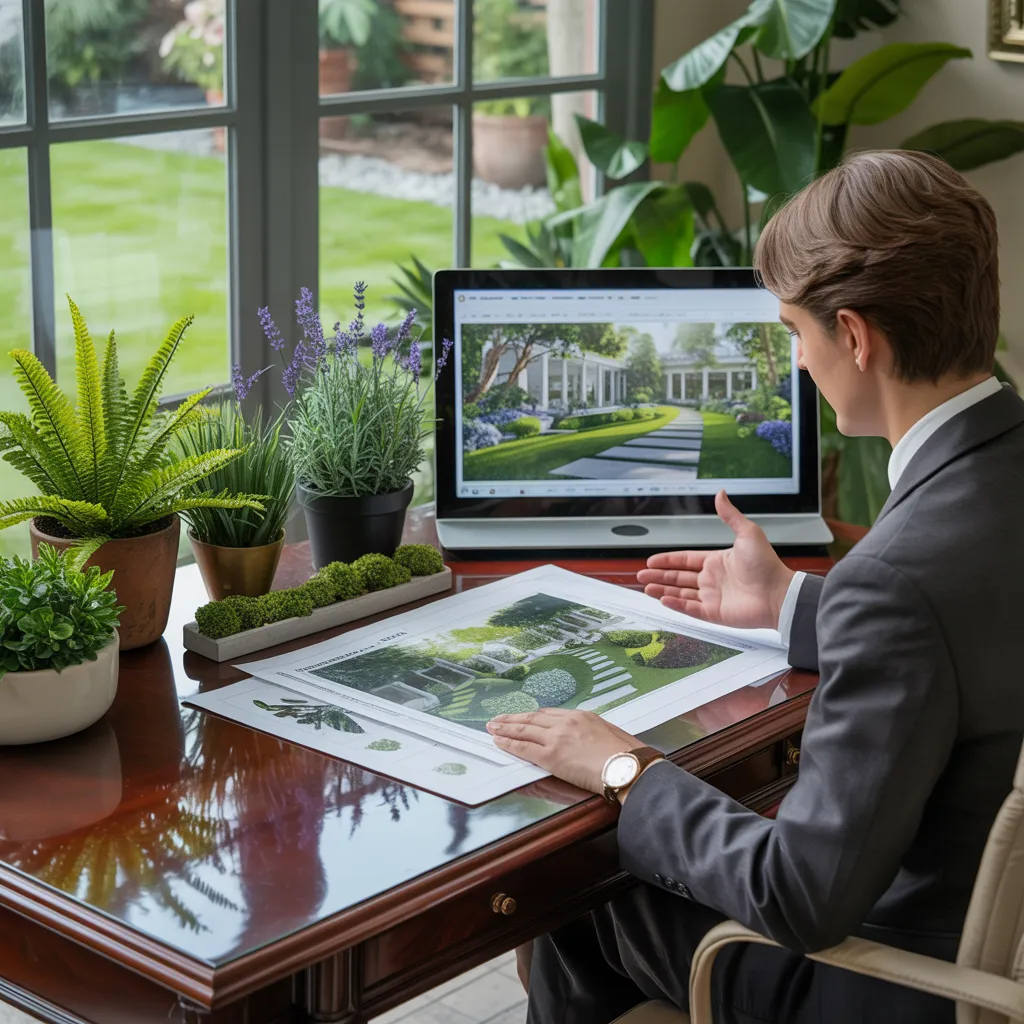
Assess Your Space to Define Your Landscaping Goals
Before beginning any garden project, it is critical for residents to thoroughly assess their exterior area. This initial evaluation allows them to understand the distinct characteristics of their yard, including light exposure, soil composition, and current vegetation. Finding these aspects supports in choosing which types of landscape elements can be effectively incorporated into the space.
Homeowners should document measurements and note any obstacles such as vegetation, fences, or pathways that may influence the layout. Additionally, recognizing individual tastes and lifestyle needs—including entertainment spaces, plant cultivation, or leisure—can guide the garden objectives. By clearly defining these aims, property owners set a solid foundation for a cohesive and functional outdoor environment. This thoughtful evaluation leads to a more rewarding and successful garden renovation, ensuring the outdoor space improves not only the property's visual appeal but furthermore meets the functional requirements of its inhabitants.
Select the Best Plants for Your Local Climate
Choosing the right plants for a specific climate is essential for creating a flourishing exterior environment. Comprehending regional climate conditions, including heat levels, rainfall, and humidity, helps homeowners select vegetation that will thrive. Native plants often adapt best, requiring less upkeep and irrigation. For example, drought-resistant varieties are ideal for dry climates, whereas moisture-loving species flourish in moisture-rich environments.
Gardeners should also consider seasonal changes; choosing vegetation that offers continuous appeal improves the landscape. Early bloomers, warm-season vegetation, and colorful autumn leaves can create a striking visual display. Moreover, consulting local gardening centers or extension services can offer helpful information into sturdy vegetation adapted for specific conditions.
Finally, a strategically designed plant selection improves not just beauty but also supports native fauna and promotes ecological health, making it a wise choice for any exterior area renovation.
Elevate Your Garden Through Useful Hardscape Additions
Functional hardscaping elements prove essential in defining outdoor spaces and enhancing their usability. By incorporating seating areas and expertly planned walkways, homeowners can create inviting environments that encourage rest and activity. Additionally, borders can help delineate different zones within the garden, adding structure and visual interest.
Define Your Outdoor Space
Creating a well-organized outdoor space can transform a garden into a pleasant sanctuary. One proven method to achieve this is through functional hardscaping elements, which establish structure and layout. Pathways made from brick or stone guide visitors while boosting visual appeal. Support walls can establish layered heights, improving the landscape's appearance and stopping soil loss. Fencing or trellises can establish boundaries, providing privacy and a sense of enclosure. Incorporating raised garden beds not only defines planting areas but also makes them more accessible. These elements function together to establish separate areas that enhance both aesthetics and functionality. Ultimately, a thoroughly structured outdoor space creates a peaceful setting where homeowners can relax and enjoy nature.
Add Resting Zones
Incorporating sitting zones into an outdoor space greatly enhances its usability and appeal. By incorporating practical hardscape features, homeowners can create inviting spots for rest, gathering, or appreciating the outdoors. Options include benches, patio sets, or hammocks, each contributing to the garden's aesthetic and comfort. Strategically placing seating near key features like garden beds or water installations, inspires visitors to interact with their surroundings. Additionally, using materials like stone or wood can match the landscape's aesthetic, creating design harmony. Covered areas, such as garden structures or sun shields, deliver relief during warmer months, making these areas usable year-round. Ultimately, well-designed seating areas elevate a standard yard into a welcoming retreat for relatives and guests.
Design Walkways And Borders
Walkways and borders serve as vital aspects in exterior planning, guiding explorers within the garden while enhancing its design excellence. These establish flow and organization, facilitating the recognition of various regions and plant choices. Stone, brick, or gravel selections can establish long-lasting pathways, and borders made with shrubs or decorative enclosures improve aesthetic appeal. Exploration is promoted through walkways, which highlight areas like garden displays or fountain features. Properly maintained borders stop weed encroachment and ground deterioration, supporting garden longevity. Adding pathways and borders improves utility and elevates visual elegance in your landscape, rendering environments more appealing and enjoyable.
Design Movement Through Pathways and Seating Zones
A well-designed outdoor space often features a harmonious flow achieved through thoughtfully placed pathways and seating areas. Pathways guide visitors through the garden, creating a clear sense of direction while enhancing the overall aesthetic. Using materials like stone, gravel, or wood can contribute to the pathway's visual appeal and guarantee durability.
Seating zones supply stopping places, welcoming people to rest and savor the setting. Placing seating thoughtfully near key features, such as a pond or a garden bed, inspires connection with the landscape. The type of seating—stools, benches, or even recliners—may shape the feeling, whether it be informal or elegant.
Combining walkways and sitting spaces generates a warm environment, upgrading utility and contentment. In tandem, they construct a smooth flow between distinct areas of the garden, stimulating exploration and rest, ultimately reshaping any exterior setting into a calm escape.
Infuse Your Garden With Seasonal Color and Texture
To strengthen the visual attractiveness of a landscape, deliberate curation of seasonal plantings is essential. Blending diverse textural characteristics can introduce layers and fascination, meanwhile deliberately arranged focal areas can command views and forge a balanced plan. Each feature together ensure a vibrant and dynamic garden environment during the entire year.
Pick Seasonal Plants Carefully
Selecting seasonal plants wisely can transform any garden into a vibrant tapestry of color and texture. By choosing plants that flower during different seasons, gardeners can guarantee a year-round showcase of blooms. Spring-flowering bulbs, summer flowering plants, fall-blooming perennials, and evergreen winter plants each contribute distinctive colors and shapes to the landscape. It is essential to take into account local climate conditions and soil types, as well as the plants' development patterns. Indigenous plants often grow more successfully with minimal upkeep, enhancing biodiversity. Additionally, mixing plants of different sizes and flowering periods can create a dynamic visual effect. Ultimately, careful plant choices fosters a landscape that transforms throughout the year, providing beautiful displays all year long.
Develop Layered Textures For Depth
Establishing depth in a garden involves layering textures that complement and enhance seasonal color. By incorporating a variety of plants with differing foliage shapes, sizes, and colors, one can create a vibrant landscape design. For instance, blending large-leaved plants with soft grasses can generate visual contrast and fascination. Additionally, including natural wood, pebbles, and organic components introduces textural qualities that enrich the overall experience. Seasonal blooms ought to be thoughtfully placed to offer color bursts across seasons, ensuring that each layer remains visually interesting. This deliberate composition not only moves your gaze throughout the space but also fosters an immersive atmosphere where every detail contributes to the garden's beauty and harmony.
Place Visual Anchors Carefully
Artfully positioning focal points can markedly enhance a garden's key resource aesthetic appeal and seasonal vibrancy. These focal points function as design anchors that command attention and tie the landscape together. Gardeners can utilize elements such as sculptures, ornamental trees, or vibrant flower beds to establish visual interest. Colorful blooms can be infused through the deliberate curation of plants with varying bloom schedules, ensuring that the garden remains dynamic throughout the year. Textures also play a significant role; combining smooth stone paths with rough bark or lush foliage adds depth. By carefully positioning these details, a gardener can construct a hospitable setting that inspires investigation and admiration, transforming an outdoor space into an engaging retreat.
Implement Responsible Practices to Cultivate a Vibrant Garden
Adopting sustainable approaches is vital for cultivating a thriving garden that thrives in harmony with the ecosystem. Plant growers are urged to utilize naturally-occurring vegetation, which need minimal irrigation and upkeep while supporting community creatures. Implementing natural cultivation techniques, including compost creation and chemical-free pest management, can substantially minimize chemical inputs, fostering a healthier ecosystem.
Efficient water strategies, including precision irrigation and rain capture, improve environmental responsibility by enhancing resource efficiency. Mulch application conserves moisture while also reduces invasive vegetation, lowering the requirement for herbicides. Moreover, encouraging ecological diversity by incorporating varied vegetation builds durability to harmful organisms and plant diseases.
Soil quality is critical; methods such as crop cycling and cover crops preserve nutrient content excluding the need for synthetic fertilizers. By implementing such eco-friendly approaches, plant growers can develop a flourishing area that nurtures both plants and environmental health, creating a greater horticultural experience.
Troubleshoot Standard Difficulties for Throughout-the-Year Garden Aesthetics
A carefully-tended garden can face multiple challenges throughout the year, influencing its total aesthetics and health. Standard difficulties include pest outbreaks, lacking minerals, as well as inadequate water supply. Spotting pests quickly is critical; plant growers should frequently examine leaves for signs of damage plus treat pest problems using chemical-free pesticides or introducing predatory insects.
Insufficient nutrients typically show as yellow foliage as well as limited growth. Conducting soil examinations can assist establish specific needs, permitting to enable strategic fertilization Insufficient nutrients often show as leaf yellowing or stunted growth. Doing soil examinations can assist establish distinct requirements, permitting targeted nutrient application bringing back stability. Also, securing adequate water supply is important; too much water can result in root decay, whereas under-irrigation pressures growing things.
Changes in seasons moreover demand adjustments in care. Throughout winter, applying mulch shields plant roots from cold, on the other hand summer can demand additional water along with shade for tender plants. By handling these common issues promptly
Should I Handle Landscaping Independently or Hire a Expert?
Certainly, you can complete landscape designs independently, leveraging digital tools and creativity. Nonetheless, employing a specialist ensures knowledge, effectiveness, and enhanced results, notably for advanced designs or bigger undertakings requiring advanced techniques.
What Implements Are Required for Home Garden Work?
Important equipment for residential landscaping include a garden rake, garden shovel, spade, hedge shears, garden fork, and a watering hose or garden watering can. These implements help productively handle ground, garden plants, and general garden upkeep, ensuring successful landscaping.
What Methods Should I Implement to Care for My Garden Area During the Seasons?
If you want to preserve a garden all year long, consistently cutting back greenery is essential, using protective mulch for thermal protection is essential, tracking water levels counts, and implementing seasonal planting approaches is advisable. Moreover, pest control and soil fertilization are vital for lush, healthy development.